Key Highlights Introduction Are you looking to upgrade your printing game? The world of screen printing has been transformed by advanced screen printing machines, making it easier than ever to...
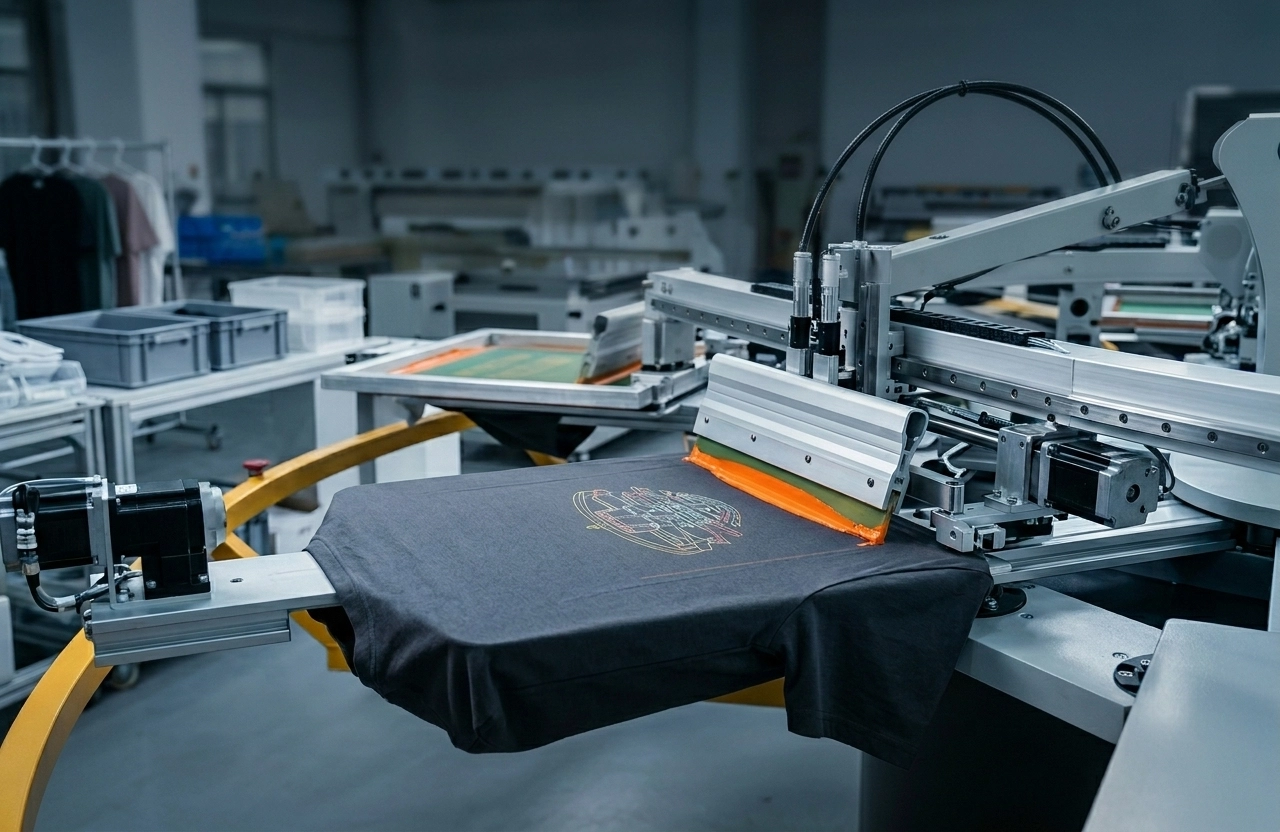
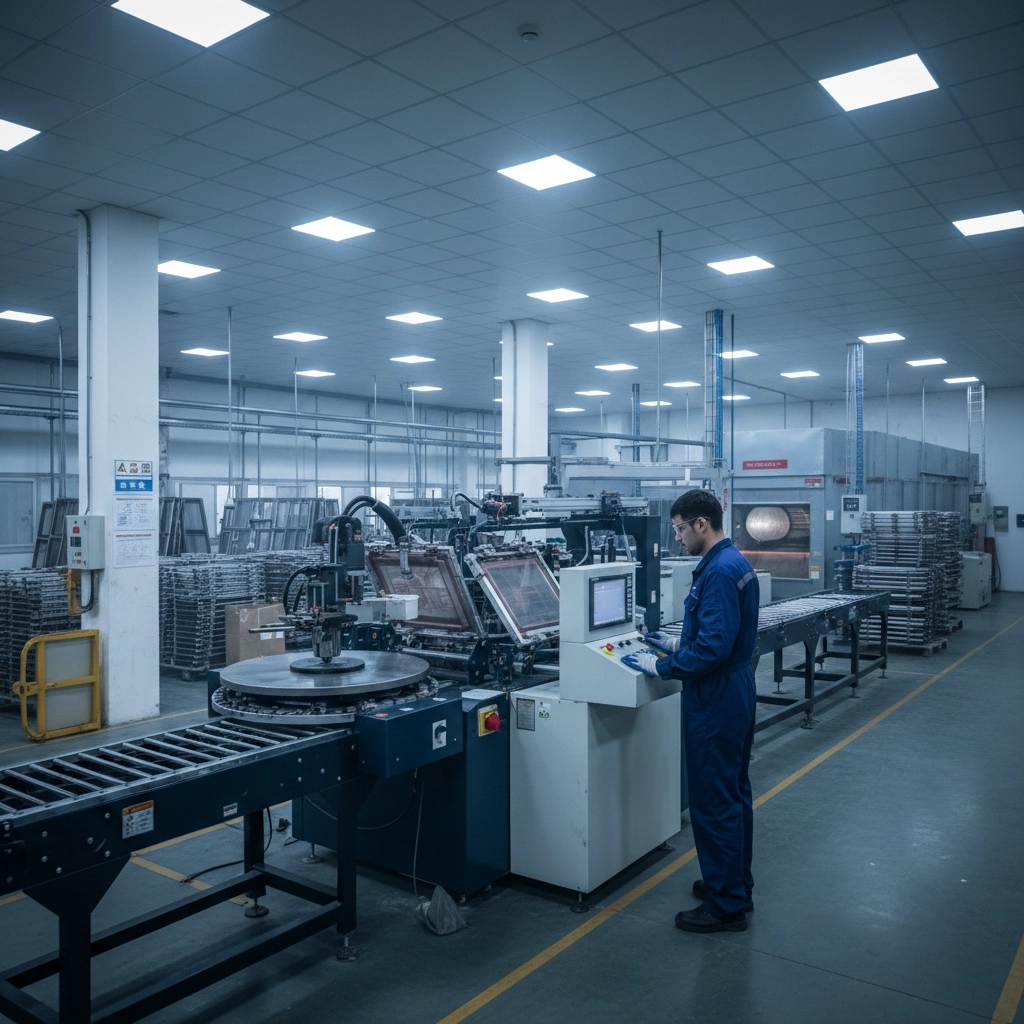
Screen printers see automatic screen printing presses and consider whether they are suitable for their shop. Automation is accessible for both small and large shops. Many establishments face challenges such...
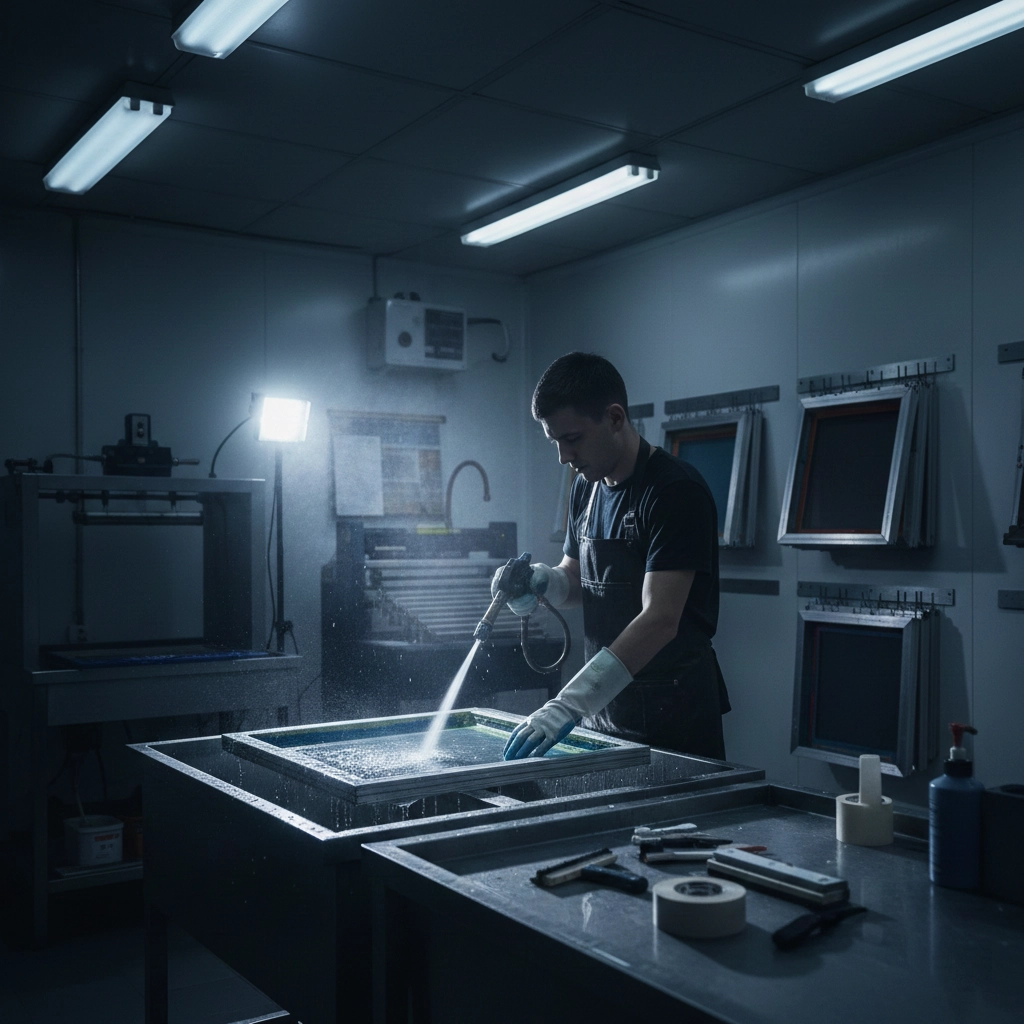
Clean and good darkroom habits are essential for effective screen printing. Implementing small changes can significantly enhance print quality and save time. Many experts rely on screen printing darkroom tips...
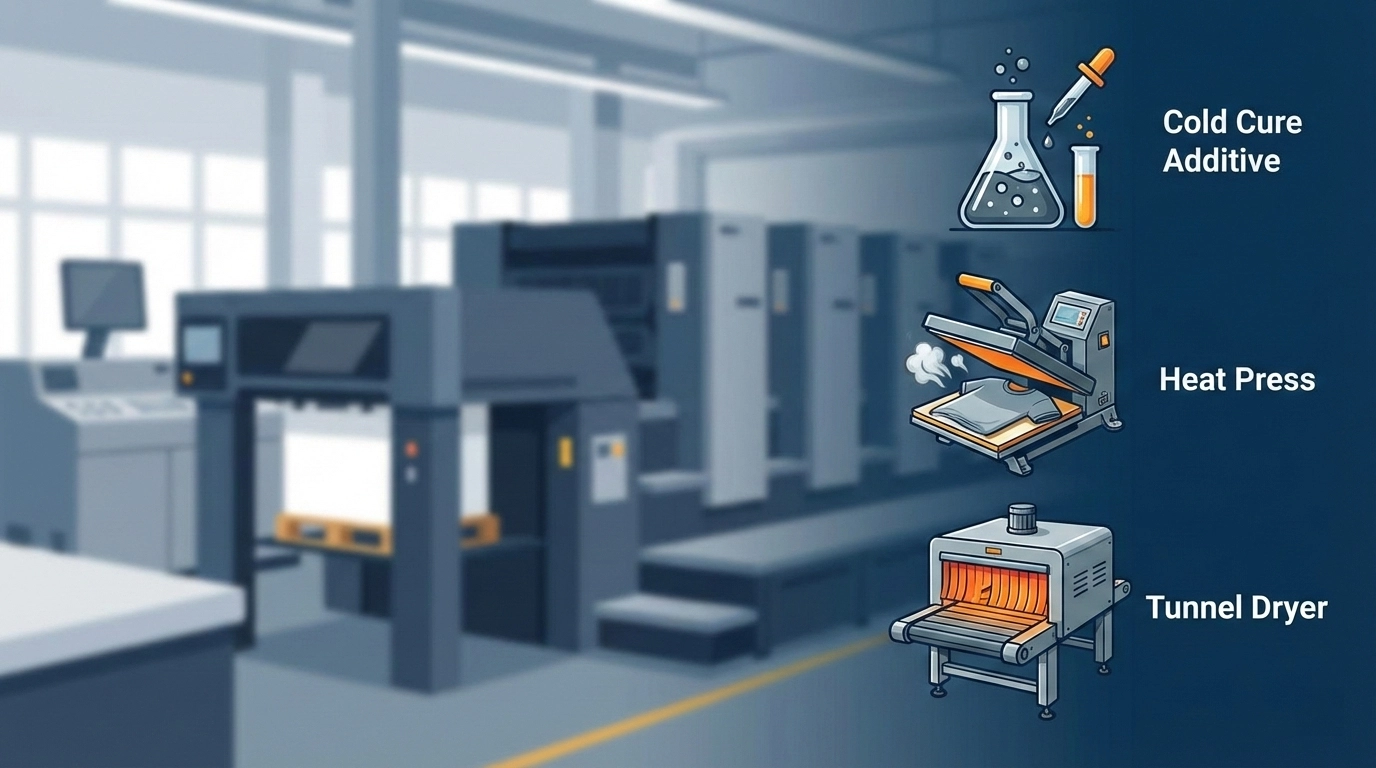
The cold cure additive for water-based screen printing inks is highly effective for small studios and home printers. It allows prints to dry in the air without the need for...
Curing water based ink makes prints last longer. It also helps prints look nicer. Small studios use different ways to cure ink: Why Curing Water Based Ink Matters Ink Film...
Plastisol ink buildup reduction starts with attention to every stage of screen printing. Ink buildup wastes time and materials. It can lower print quality and cause equipment downtime. Proactive steps,...
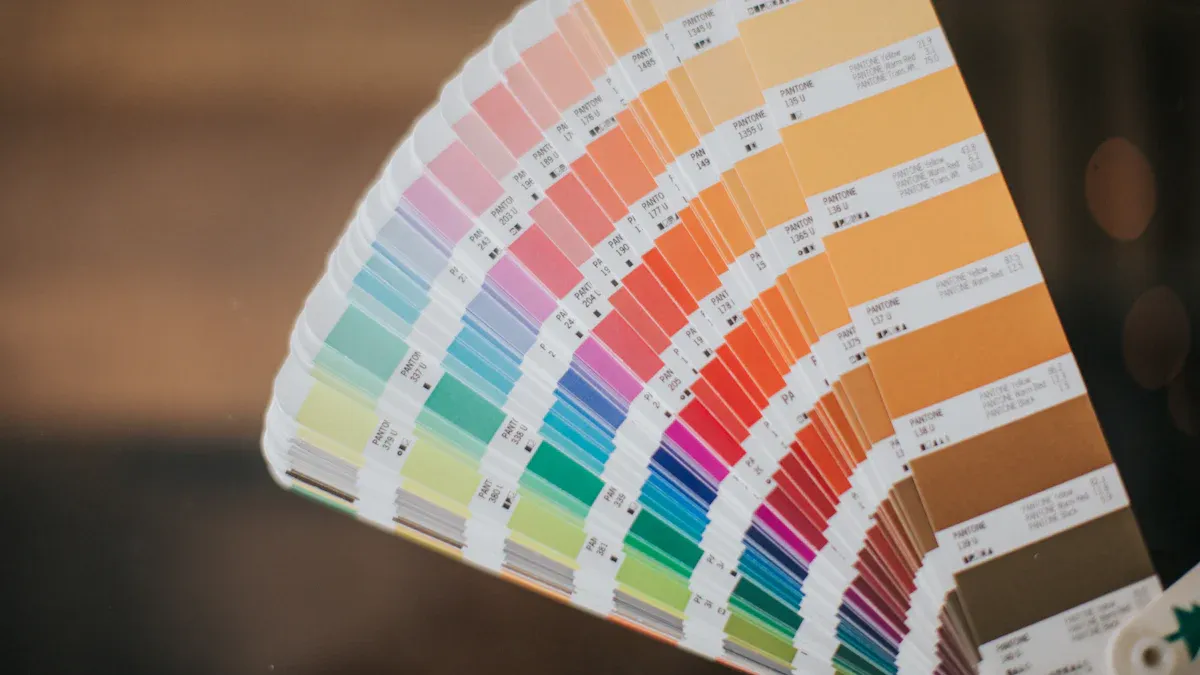
Color inconsistency in screen printing leads to wasted materials, costly reprints, and unhappy clients. Mistakes in color matching can damage trust and lower market value. The Pantone book for screen...
Flash-cure units in textile screen printing help printers create bright, durable designs on dark garments. These units heat ink to specific temperatures, improving adhesion and reducing production delays. For example,...
Achieving flawless, even stencils is possible when you follow proven rules for screen coating in screen printing. Consistency and efficiency play a key role in producing high-quality results. Many printers,...