

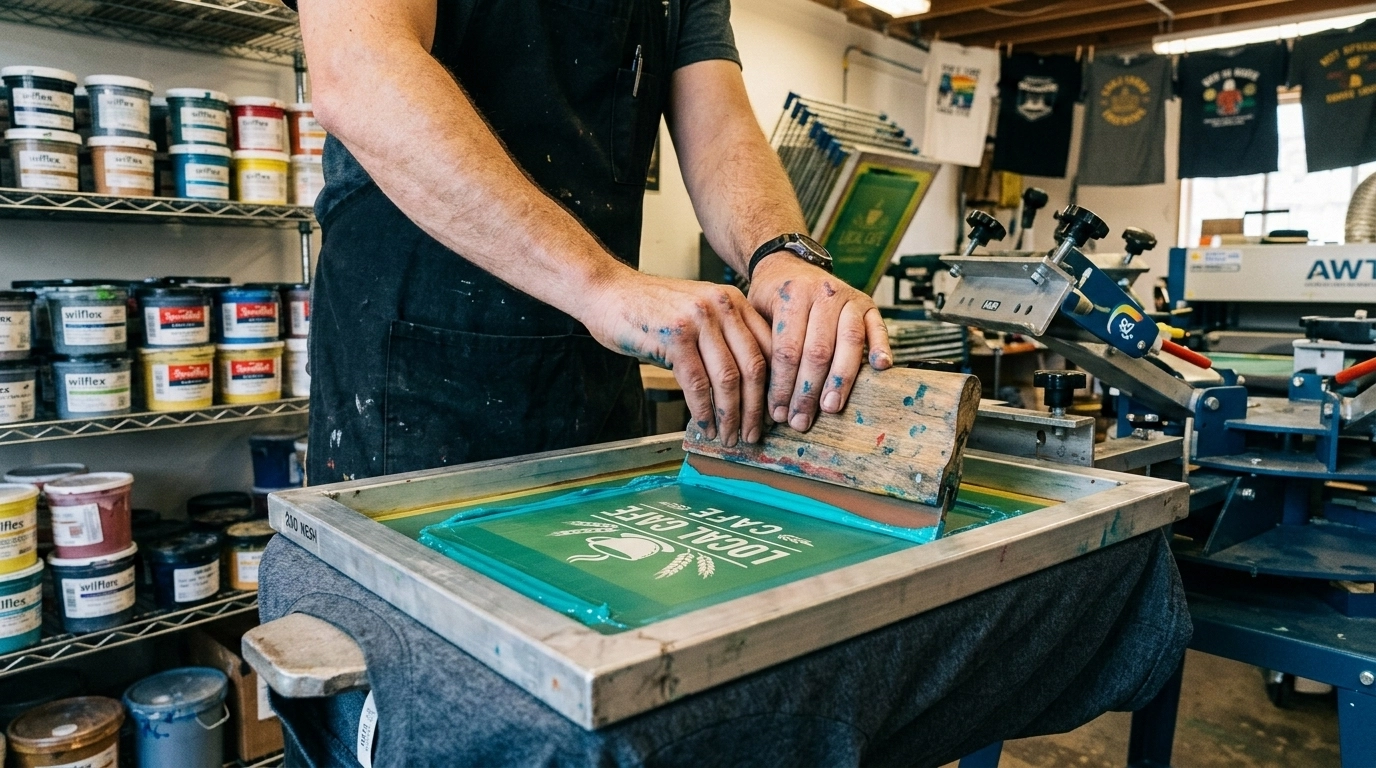
Launching your own screen printing business is an exciting opportunity that combines creativity with smart business strategy. The demand for custom apparel is strong, with businesses, schools, and organizations consistently needing personalized items. This guide offers beginner tips for navigating this venture. You will learn the practical steps to validate your concept, acquire the right equipment, and establish your screen printing business for long-term success in a competitive market. Are you ready to turn your passion into a profitable enterprise?
The screen printing industry is a dynamic field that blends artistry with commerce. To succeed, you must understand the fundamentals of the screen printing process and how to translate that into a profitable service. A well-researched business plan is your roadmap, guiding you through initial setup to scaling operations.
Analyzing the market helps you identify your niche and competitors. By studying what other companies are doing, you can find opportunities to differentiate your services. This initial research is critical for projecting your potential companies revenues and setting realistic goals for your new venture. The following sections will explore key trends and how screen printing compares to other methods.
To achieve business growth, successful screen printers stay on top of industry trends. One major trend is the focus on niche markets. For example, a business like Campus Ink caters specifically to university students, which has propelled their growth. By identifying a specific audience, such as local bands, sports teams, or corporate clients, you can tailor your services and marketing strategies to meet their unique needs.
The first steps to start a screen printing business involve detailed planning. You need to gauge local demand by talking to potential clients and research your competition. This helps you create a solid business plan and estimate your startup costs. A common mistake is over-investing in equipment before you have the sales to support it. Starting with a basic home setup which might include a manual press, exposure unit, and flash dryer, is a cost-effective approach.
Building a strong online presence is another key opportunity. A professional website that showcases your work, can set you apart. Your website acts as a portfolio and a primary tool for attracting customers. Simple, high-quality video and images of your printing process can generate excitement and build trust with potential clients.
When offering custom apparel, it is important to understand the differences between decoration methods. Screen printing is ideal for large orders of t-shirts and other garments, offering vibrant colors and durability. It is a cost-effective choice for designs with a limited number of colors.
In contrast, embroidery provides a textured, high-end look often used for logos on polos, hats, and jackets. While it adds a professional touch, it can be more expensive and is not suitable for large, intricate designs. The difference between screen printing and embroidery for apparel businesses often comes down to the client’s needs, budget, and desired aesthetic.
Many successful shops, like Envision Tees, offer both screen print and embroidery services to cater to a wider range of customer requests. This allows them to be a one-stop shop for all custom apparel needs.
| Feature | Screen Printing | Embroidery |
|---|---|---|
| Best For | Large designs, t-shirts, high-volume orders | Logos, small text, professional wear (polos, jackets) |
| Cost | More cost-effective for larger quantities | Higher per-item cost, especially for complex designs |
| Durability | Very durable, lasts the life of the garment | Extremely durable, thread is resilient |
| Appearance | Smooth, flat ink application with vibrant colors | Raised, textured, three-dimensional look |
| Setup | Involves creating screens for each color | Involves digitizing the design for the machine |
Setting up your screen printing business begins with acquiring the essential equipment and resources. You don’t need a massive workshop to start; much of the necessary equipment can fit within a designated home workspace. Your initial investment should focus on core tools that allow you to produce high-quality prints from day one.
Beyond the physical tools, leveraging business resources is equally important. This includes finding reliable suppliers for blank apparel and inks, as well as utilizing shop management software to streamline your workflow. The right combination of screen printing equipment and resources will provide a solid foundation as you establish your business premises. Let’s look at the specific tools and workspace setups you’ll need.
When starting a screen printing business from home, you must invest in the right screen printing equipment. Your printing press is the centerpiece of your operation. A 4-color manual press is a versatile and affordable starting point for beginners.
Along with the press, other tools are essential for the screen printing process. An exposure unit is needed to burn your designs onto screens, and a washout booth is required for cleaning them. A flash dryer is also critical for curing the ink on the garments to ensure the print is durable and won’t wash out.
Many new shop owners find it beneficial to purchase a starter package that bundles these items together. These kits often provide a cost-effective way to acquire all the core machinery at once. The essential equipment list includes:
Creating a functional workspace is a critical step in launching your screen printing business. If you are starting from home, you will need a dedicated area of around 500-800 square feet. A garage, basement, or large spare room can serve as your initial business premises. The space must be well-ventilated to handle fumes from inks and chemicals safely.
Proper organization within your workspace ensures an efficient workflow. You will need separate areas for each stage of the screen printing process: a “darkroom” area for coating and exposing screens, a “wet” area with a washout booth for cleaning, a printing station for your press, and a curing station with your dryer. Keeping these zones distinct prevents contamination and improves productivity.
Before setting up your equipment, ensure your business premises meet practical requirements. This includes access to water for the washout booth and sufficient electrical power, as some dryers require a 220v outlet. Key considerations for your screen printing shop setup include:
Launching a successful screen printing business requires careful planning and execution. A detailed business plan will serve as your guide, outlining your business goals and the strategies to achieve them. This document will inform your business decisions, from securing funding to choosing your equipment.
Following a step-by-step approach simplifies the process and helps you avoid common pitfalls. You need to address legal requirements, set up your operations, and build a portfolio to attract your first clients. It is also wise to establish basic accounting functionalities early on to track your finances effectively. The next sections will walk you through these crucial steps.
The first step in starting your business is creating a comprehensive business plan. This involves gauging local demand by speaking with potential clients like schools or local businesses to validate your idea. Researching competitors helps you understand the market and identify your unique selling proposition. Your business plan should detail your target audience, services, pricing, and marketing approach.
Estimating your startup costs accurately is crucial for financial planning. A common mistake is overspending on advanced machinery before generating consistent revenue. Start with the basics and upgrade as your business grows.
Before moving to the application process for licenses, you need a clear budget. Your plan should also define your business type, whether a sole proprietorship or an LLC. Key actions for this planning phase include:
Once you have a business plan and a business name, the next step is to make it official. Choosing a legal structure is a key decision; most new screen printers opt for a Limited Liability Company (LLC) to protect their personal assets from business debts. You can file for an LLC through your state’s Secretary of State website. After registering, you must obtain a free Employer Identification Number (EIN) from the IRS, which is necessary for opening a business bank account.
Next, you will need to secure the proper permits. A seller’s permit from your state’s department of revenue is required to purchase wholesale goods tax-free and collect sales tax on your products. You should also contact your city or county clerk’s office to fill out a business license application form and obtain a general business license.
Don’t overlook local regulations. Since screen printing involves chemicals, check with your local environmental agency on proper disposal rules to avoid fines. If you are operating from home, you will likely need a Home Occupation Permit. Failing to secure the correct business license and permits can lead to legal and financial trouble down the road.
With your business registered and workspace prepared, the focus shifts to sourcing supplies and refining your business operations. A crucial part of the printing process is having reliable suppliers for blank apparel. Open wholesale accounts with distributors like SanMar or S&S Activewear. These suppliers often have no minimum order quantities, allowing you to purchase only what you need for each job and avoid holding costly excess inventory.
Efficiently managing your business operations from the start is vital for long-term success in screen printing. This includes organizing your workflow from the moment an order is placed to final delivery. Implementing a system to track quotes, art approvals, and production schedules prevents errors and delays. Shop management software like Printavo or YoPrint can be an invaluable tool for organizing these tasks.
Your initial supplies should include a variety of inks, screens, squeegees, and cleaning chemicals. When sourcing supplies, consider buying a starter kit that includes a range of basic items. This ensures you have everything needed to complete your first few jobs without interruption. A well-organized supply chain and streamlined operations are the backbone of a productive shop.
Your ability to produce high-quality custom apparel is what will attract and retain clients. You can create custom t-shirt designs using graphic design software like Adobe Illustrator or CorelDRAW. If design isn’t your strength, you can hire a freelance graphic designer. Offering a range of design options, from simple text-based graphics to complex multi-color illustrations, will broaden your appeal.
Building a strong portfolio is essential for showcasing your capabilities. Don’t just rely on digital mockups; photograph your actual finished products. High-quality images of printed t-shirts and other promotional products demonstrate your print quality and attention to detail. This visual proof is often the deciding factor for potential customers. Share these images on your website and social media profiles.
A diverse portfolio highlights your versatility and skill. To build it quickly, consider these approaches:
Once your business is operational, you need effective marketing strategies to connect with potential customers. Your initial efforts should focus on building a strong local and online presence. A professional website and active social media profiles are no longer optional; they are essential tools for reaching your target audience and showcasing your work.
These platforms serve as your digital storefront, allowing you to display your portfolio, share customer testimonials, and make it easy for clients to request a quote. By combining online tactics with direct local outreach, you can create a steady stream of inquiries and build a loyal customer base. The following strategies will help you get started.
One of the best ways to find clients is by building a strong local network. Start by reaching out to other local businesses, schools, and community organizations. A personal approach can be very effective. Prepare a professional business email and a portfolio of your work to share. Having a well-designed business card on hand is also crucial for in-person networking opportunities.
Your online presence is your modern-day storefront. A great website is where your branding begins. Look at successful shops like Barrel Maker Printing or Trust Printshop for inspiration. Your site should be simple, visually appealing, and clearly direct users to request a quote. It should feature high-quality photos of your work and provide clear information about your services.
To find clients, you need to be proactive. Don’t wait for them to find you. Combine your digital and physical marketing efforts to maximize your reach. Here are a few ways to get started:
Social media platforms are powerful marketing tools for reaching a broader audience. Create business profiles on platforms like Instagram and Facebook to serve as a visual portfolio. Post high-quality photos and videos of your finished products and the printing process. This not only showcases your print quality but also gives your brand a human touch, like Printed Threads does with their behind-the-scenes content.
Your marketing efforts should extend beyond social media. Listing your business in online directories like Google My Business and Yelp can significantly improve your local visibility. Ensure your profile is complete with your business name, address, phone number, and hours of operation. Encourage satisfied customers to leave reviews, as positive feedback builds trust and attracts new clients.
To make your marketing materials more effective, focus on consistency. Your brand’s voice and visual style should be the same across all platforms. This cohesion strengthens brand recognition and makes your marketing efforts more impactful. To leverage these platforms:
Developing a smart pricing structure is fundamental to the financial health of your business. Your prices must cover all your costs—including materials, labor, and overhead—while also generating a healthy profit. Price too low, and you will struggle with cash flow; price too high, and you may lose out to competitors.
The goal is to find a balance that reflects your print quality and provides a competitive advantage. A transparent and logical pricing model not only ensures profitability but also builds trust with your customers. The sections below will guide you in creating a competitive pricing structure and understanding all the costs involved.
To create a competitive pricing structure, you must first understand the market. Research what three to five local competitors charge for standard products and services, such as an order of 50 one-color t-shirts. This benchmark helps you position your pricing to gain a competitive edge without undervaluing your work. Your pricing should align with your quality, turnaround time, and overall brand positioning.
A common and effective method for pricing your products and services is to create a price matrix. This grid typically shows the price per shirt based on two key variables: the total quantity of the order and the number of ink colors in the design. This approach provides transparency for customers and simplifies the quoting process for you.
This structured approach ensures that every job is profitable and that your pricing is consistent. As your marketing strategies bring in more inquiries, having a ready-to-use price matrix will streamline your sales process significantly.
| T-Shirt Quantity | 1-Color Print | 2-Color Print | 3-Color Print |
|---|---|---|---|
| 24-47 | $9.50 | $10.50 | $11.50 |
| 48-71 | $8.00 | $9.00 | $10.00 |
| 72-143 | $7.00 | $8.00 | $9.00 |
| 144+ | $6.25 | $7.25 | $8.25 |
To ensure your business revenues are sustainable, you must have a firm grasp of your costs. Many beginners make the mistake of only accounting for the cost of the blank garment. Your total costs include not only the shirt and ink but also labor, screen setup time, overhead expenses like rent and utilities, and administrative tasks. Tracking all these expenses is essential for setting profitable prices.
Your profit margins are the lifeblood of your business. A healthy gross profit margin for screen printing is typically between 50% and 70%. This means that after accounting for the direct costs of producing an order, 50-70% of the revenue should remain. This margin needs to be sufficient to cover your overhead and leave a net profit.
Ultimately, your pricing should reflect your value proposition. Are you competing on speed, quality, customer service, or a unique niche? Clearly communicating what makes your business special justifies your pricing and helps you attract the right customers. Key financial elements to manage include:
Every new screen printing business will face challenges. From production issues that affect print quality to managing customer expectations, navigating these hurdles is part of the journey. A key to success is anticipating these problems and developing strategies to address them before they impact your reputation or bottom line.
An efficient workflow is your best defense against many common problems. By creating standardized processes for production and communication, you can minimize errors and ensure a consistent experience for every client. Let’s examine how to manage quality control and balance the demands of your workload with customer needs.
One of the main challenges new businesses face is maintaining consistent print quality. Production issues can arise at any stage of the screen printing process, from improper screen exposure to incorrect ink curing. These mistakes can lead to misprints, wasted materials, and unhappy clients. Establishing a rigorous quality control process is essential for preventing these problems.
Create a checklist for every job to ensure nothing is overlooked. This checklist should include verifying the artwork against the mockup, confirming print placement, and checking ink colors with a Pantone guide. After printing, every garment should be inspected to ensure the ink is fully cured. A simple stretch test—gently pulling the printed area—can reveal if the ink is likely to crack or fade.
To guarantee customer satisfaction, consider performing a wash test, especially when using a new brand of apparel or type of ink. Running a sample shirt through a hot wash and dry cycle will confirm the durability of your print. These small steps build a reputation for reliability. Key quality control measures include:
Another significant challenge for new businesses is managing workflow and customer expectations. As orders start coming in, it can be difficult to balance production schedules, administrative tasks, and customer communication. An unorganized workflow can lead to missed deadlines and frustrated clients, damaging your reputation for providing great service.
Setting realistic turnaround times and communicating them clearly from the outset is crucial. It is better to promise a two-week turnaround and deliver in ten days than to promise one week and be late. Use shop management software like Printavo to organize your production schedule, track job progress, and automate customer updates. This helps you stay on top of your workload and keep clients informed.
Excellent customer service is key to managing expectations. Be responsive to inquiries, provide clear and professional quotes, and keep clients updated on the status of their order. A transparent process builds trust and leads to repeat business. To balance workflow and expectations:
In conclusion, launching a screen printing business is an exciting venture that requires careful planning and execution. From understanding the industry landscape to mastering the essential equipment, every step plays a vital role in your success. By implementing effective marketing strategies, setting competitive pricing, and overcoming common challenges, you can build a sustainable business that attracts clients and meets their needs. Remember, continuous learning and adaptation are key components of thriving in this dynamic field. If you’re ready to take the plunge and need guidance, get in touch with us for expert advice tailored to your journey.
Effective marketing strategies include building a strong online presence through social media and a professional website. Directly reaching out to local businesses with a special offer is also powerful. Networking at community events and always having a business card on hand will help you generate leads and build a client base.
The choice between screen printing and embroidery depends on the client’s needs for their custom apparel. Screen printing is ideal for large, vibrant designs on t-shirts and is cost-effective for bulk orders. Embroidery offers a textured, professional look for logos on items like polos and hats, but is more expensive.
You can create custom designs for t-shirts using graphic design software like Adobe Illustrator. If design isn’t your expertise, consider hiring a freelance designer. Offering unique and high-quality designs that align with a client’s branding is key to producing custom apparel that stands out and ensures excellent print quality.
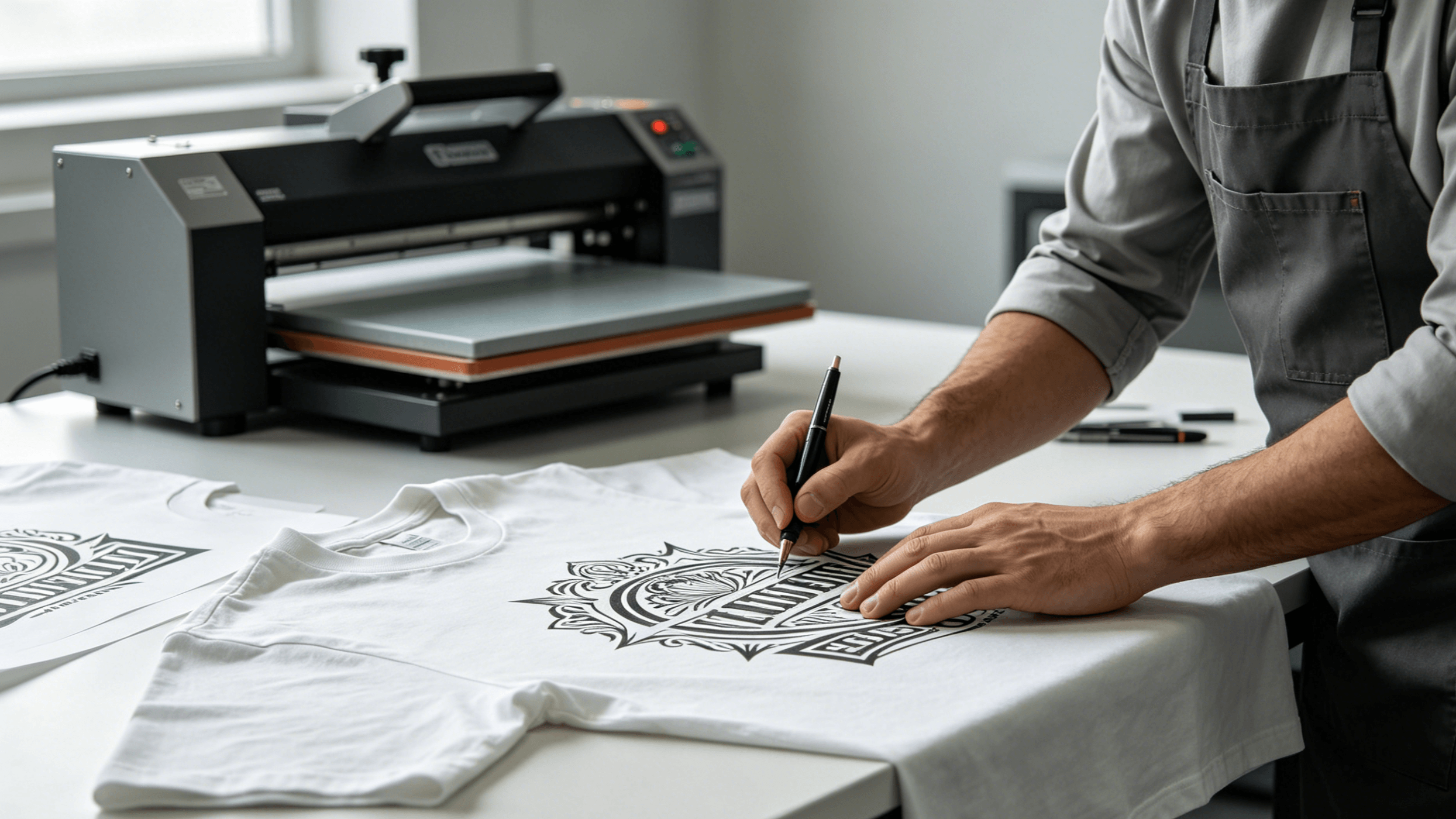
Introduction Custom apparel is hitting massive numbers, with the market expected to pass $45 billion by 2030. If you’re looking at the scene in 2026, Heat Press Vinyl (HTV) is...
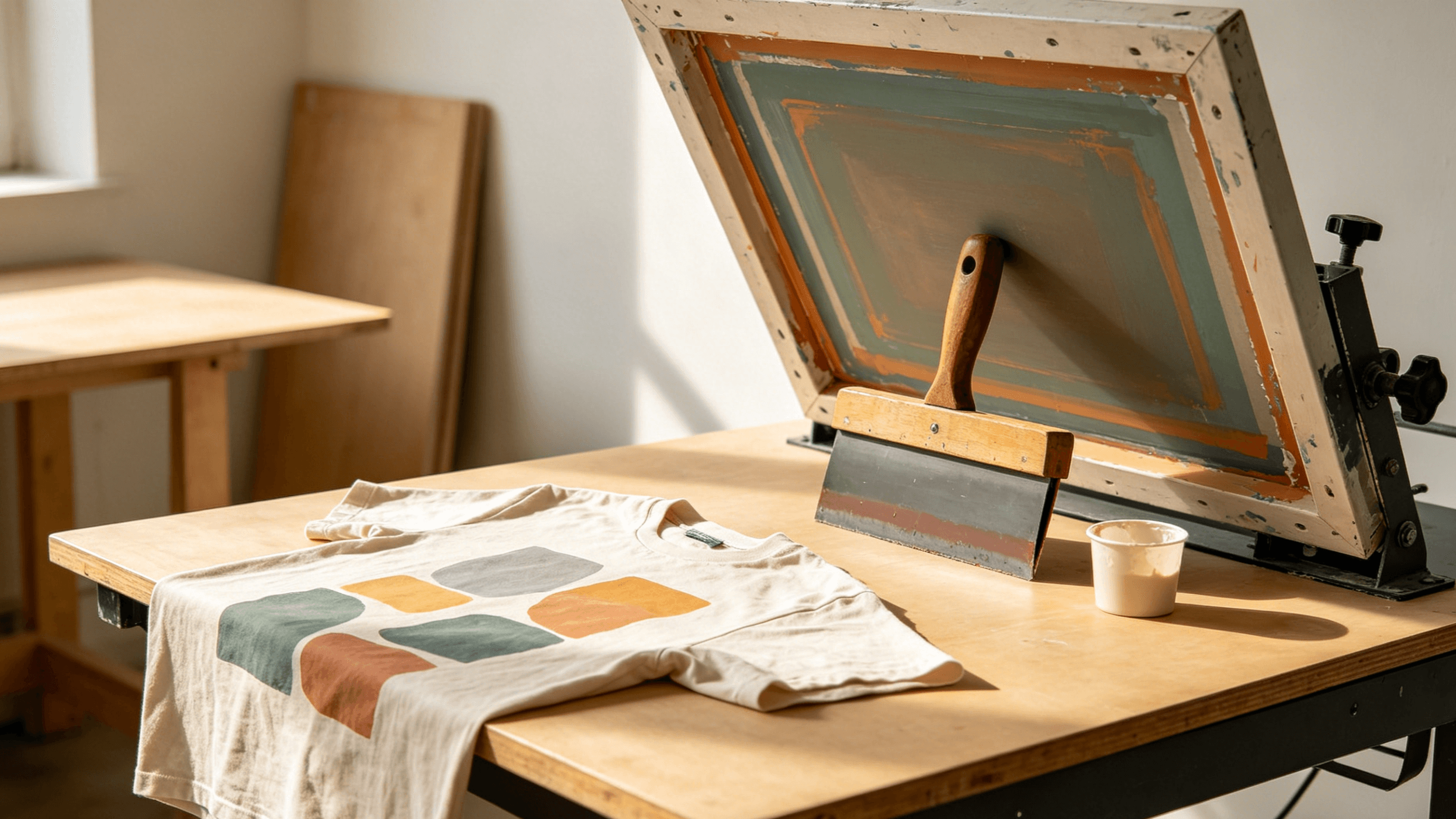
Introduction The apparel industry has exploded lately. We’re looking at a market projected to hit $17.5 billion by 2027, mostly because everyone wants custom gear, unique merch, and fast-fashion pieces...
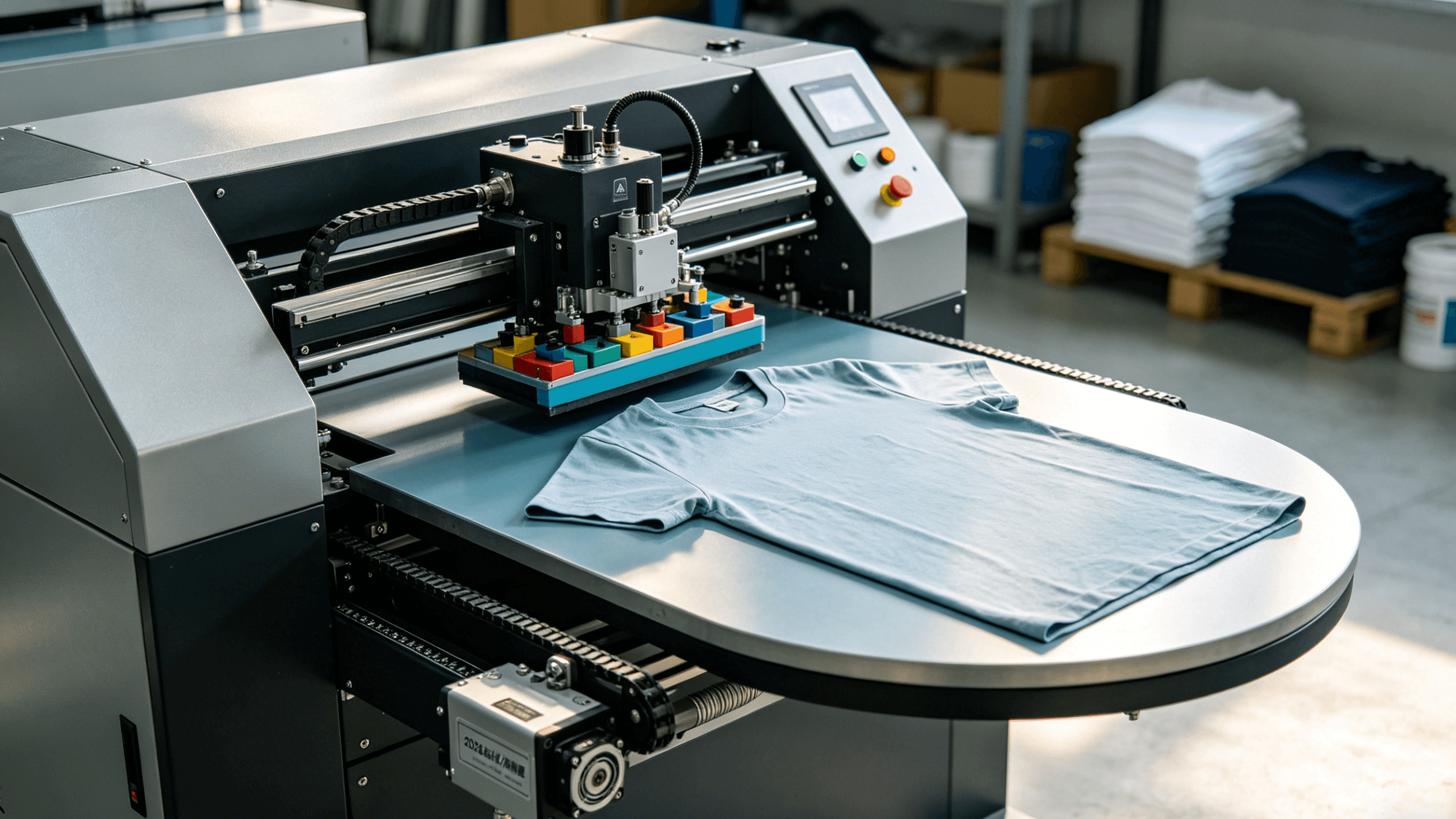
Introduction The custom t-shirt business is on a serious roll. Experts think the global market will hit around USD 5.1 billion by 2026. Even with all the new tech out...