

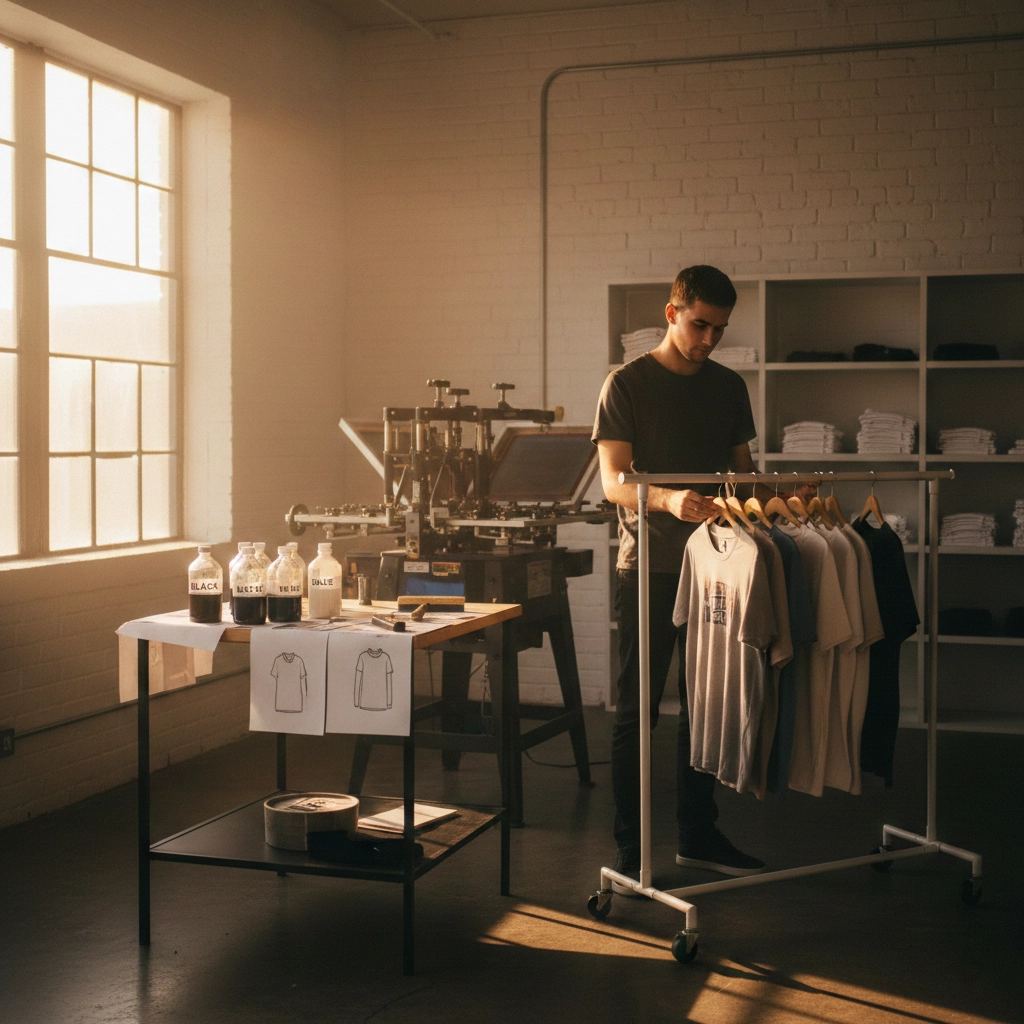
Finding the right screen printer is a critical step for any business venturing into the custom apparel industry. Whether you’re starting a new brand or expanding your current operations, the quality of your equipment directly impacts your final product. A high-quality printing machine ensures your designs are vibrant, durable, and consistently excellent, setting your business apart from the competition. This guide will walk you through the essential factors to consider, helping you select the perfect screen printer to meet your specific needs and achieve superior print quality.
When selecting a screen printer for shirts in Pakistan, your decision should be guided by your specific business requirements. Are you a small business focusing on custom, low-volume orders, or are you planning for large runs and mass production? The answer will determine whether manual or automatic screen printing machines are a better fit for you.
Your choice of equipment will directly influence print quality and operational efficiency. It’s important to consider factors like the complexity of designs you plan to print and the types of fabrics you’ll use. Let’s look at the specific features to evaluate and the differences between machine types.
When you’re ready to invest in screen printing machines, certain features are non-negotiable for achieving high-quality results. The number of print heads, for instance, determines how many colors you can apply in a single run. More print heads mean more complex and colorful designs are possible without needing to reset the machine.
Proper alignment is another critical feature, especially for multi-color jobs. A machine with micro-registration capabilities allows for precise adjustments, ensuring each color layer lines up perfectly. This is essential for creating sharp, professional prints. The quality of the platens, or shirt boards, also affects the final output, as they must hold the garment flat and securely during printing.
Finally, consider the overall build and the components included. A complete setup often requires more than just the press. Key features and components to look for include:
Your choice between manual screen printing and automatic screen printing will largely depend on your production volume and budget. A manual press requires an operator to physically lower the screen, apply the ink with a squeegee, and rotate the carousel to the next color or station. This makes manual printers a great choice for small jobs, startups, and hobbyists.
In contrast, an automatic press automates these steps, significantly increasing production speed and ensuring consistent prints across bulk orders. While the initial investment is higher, automatic screen printing reduces labor costs and is more efficient for large runs. This makes it the preferred option for established businesses with high-volume demands.
To help you decide, here is a comparison between the two types of presses:
| Feature | Manual Screen Printing | Automatic Screen Printing |
|---|---|---|
| Best For | Small jobs, beginners, and startups | Bulk orders and large-scale production |
| Initial Cost | Lower | Higher |
| Production Speed | Slower, operator-dependent | Much faster and consistent |
| Labor Costs | Higher per piece due to time | Lower per piece on large runs |
| Setup | Simpler and quicker for small batches | More complex and time-consuming |
| Consistency | Varies with operator skill | Highly consistent print quality |
Setting up a t-shirt screen printing operation requires more than just a press. You need a range of quality equipment and supplies to take a design from a digital file to a finished garment. This includes everything from screen preparation to curing the final print. The right collection of tools ensures a smooth workflow and professional results.
Essential items include screen printing presses, an exposure unit for creating stencils, and dryers to cure the ink. You will also need a steady supply of ink, screens with the appropriate mesh count, and cleaning chemicals. We’ll explore some options for getting started and the specific supplies you’ll need for different fabrics.
For beginners and small businesses, starter kits offer an excellent entry point into the world of screen printing. These kits bundle the essential equipment, taking the guesswork out of your first purchase. Most starter packages are built around a manual screen printing machine, which is perfect for learning the craft without a massive initial investment.
When looking for a starter kit, you are taking the first step in your screen printing journey. It’s a great way to start screen printing shirts at home. These kits typically contain the basics needed to produce your first run of shirts, allowing you to get a feel for the process before scaling up.
A good starter kit should equip you with the fundamental tools for success. Consider looking for kits that include:
The screen printing supplies you need will vary depending on the shirt fabrics you intend to print on. Different materials interact with inks in unique ways, so choosing the right supplies is key to achieving durability and vibrant colors. For example, standard plastisol ink works well on cotton but may not adhere properly to polyester without a special additive or a specific low-bleed ink.
When printing on synthetic fabrics like polyester, you need inks formulated to prevent dye migration, where the fabric’s dye bleeds into the ink and discolors the print. Using the correct mesh count on your screen is also important; finer mesh is better for detailed designs and water-based inks, while lower mesh counts are suitable for thicker inks like plastisol.
To ensure professional results across different materials, keep these essential supplies on hand:
Finding affordable screen printing equipment locally can be a smart move for any new business owner. Sourcing from local suppliers often means lower shipping costs and the ability to inspect the equipment before you buy. This is particularly helpful when purchasing manual printers or a basic setup where you want to ensure the quality and condition of the machinery.
You can often find surprisingly cheap screen printers that are still reliable, especially if you explore used equipment from businesses that are upgrading. Building relationships with local suppliers can also lead to better deals on ongoing needs like ink and screens. The following sections offer guidance on where to look online and how to identify reliable partners near you.
For those in Pakistan, online marketplaces are a treasure trove for t-shirt screen printing machines. Websites that connect buyers with manufacturers, often from China, offer a wide variety of printers at competitive prices. You can find everything from simple manual presses to advanced automatic machines suitable for mass production. These platforms allow you to compare specifications and prices from multiple vendors.
When shopping online, it’s important to look for printers that match your production needs. You can find eco-friendly options and machines designed for specific tasks, like DTG (Direct-to-Garment) or heat press transfers. Many listings provide detailed specifications, including the number of colors, station type, and print size, helping you make an informed decision.
To navigate the vast online market effectively, consider these sources:
As a business owner, finding reliable screen printing suppliers is just as important as choosing the right equipment. A good supplier provides high-quality materials consistently, which is crucial for maintaining your print standards, especially with bulk orders. Start by searching for local distributors of screen printing equipment and supplies. A local partner can offer faster shipping and more personalized service.
When evaluating potential suppliers, don’t just focus on price. Reliability, product quality, and customer service are paramount. Ask for samples of their inks or mesh to test quality firsthand. A trustworthy supplier will be transparent about their products and willing to help you find the best solutions for your business.
To ensure you partner with the best suppliers, follow these tips:
In conclusion, finding the right screen printer for your shirts is essential for achieving high-quality results and ensuring your designs stand out. With the various factors to consider, such as the type of equipment, essential features, and local suppliers, thorough research will help you make an informed decision. Whether you’re a beginner or a seasoned professional, understanding your needs and the options available can significantly enhance your screen printing journey. Don’t hesitate to get in touch with experts in the field who can provide guidance tailored to your specific requirements.
Yes, the same screen printer can be used for different shirt materials. However, you may need to adjust your supplies. The type of ink, mesh count, and curing process should be matched to the fabric to ensure durability and achieve vibrant colors on materials ranging from cotton to polyester.
Regular maintenance and cleaning are crucial for optimal print quality. Always clean your screens, squeegees, and press after use to prevent ink from drying. Follow the manufacturer’s guidelines for lubricating the moving parts of your screen printing machines to ensure they operate smoothly and last longer.
To set up a small screen printing business, you’ll need core equipment, including screen printing presses (manual printers are great for starters), an exposure unit to create stencils, and dryers to cure the ink. You will also need screens, squeegees, inks, and cleaning supplies.
The main difference is automation and speed. Manual screen printing requires an operator for each step, making it ideal for small jobs. An automatic printing machine automates the process, offering faster production and consistent prints for large orders, which ultimately reduces long-term labor costs.
You can find affordable printing equipment on B2B online platforms connecting you with manufacturers or from specialized screen printing suppliers. These sites offer a wide range of machines at various price points, allowing you to compare and find the best fit for your budget.
To maintain your screen printer, clean screens and squeegees immediately after use to prevent ink from hardening. Regularly wipe down the press and follow the manufacturer’s lubrication schedule. Proper cleaning ensures consistent print quality and extends the life of your equipment throughout your screen printing journey.
Yes, there are many beginner-friendly screen printing kits for t-shirts. These starter kits are perfect for anyone trying it for the first time, as they bundle all the essential tools, including a simple press, screens, ink, and squeegees, to help you get started right away.
Essential screen printing supplies include the printing equipment itself, an exposure unit, screens with an appropriate mesh count, high-quality ink, squeegees for applying the ink, emulsion to create stencils, and cleaning chemicals. A dryer is also necessary to properly cure the prints on the t-shirts.
Absolutely. A single-screen printer or printing machine can handle various shirt materials. The key is to use the right ink, screen mesh, and curing method for each fabric type. This ensures you get vibrant colors and a durable print, whether you’re working with cotton, polyester, or blends.
The fundamental materials for silk screen printing include a screen with a fine mesh, a squeegee to push ink through the screen, a light-sensitive emulsion to create a stencil of your design, and screen printing ink formulated for your chosen fabric. These components work together to transfer the image.
Introduction Custom apparel is hitting massive numbers, with the market expected to pass $45 billion by 2030. If you’re looking at the scene in 2026, Heat Press Vinyl (HTV) is...
Introduction The apparel industry has exploded lately. We’re looking at a market projected to hit $17.5 billion by 2027, mostly because everyone wants custom gear, unique merch, and fast-fashion pieces...
Introduction The custom t-shirt business is on a serious roll. Experts think the global market will hit around USD 5.1 billion by 2026. Even with all the new tech out...