

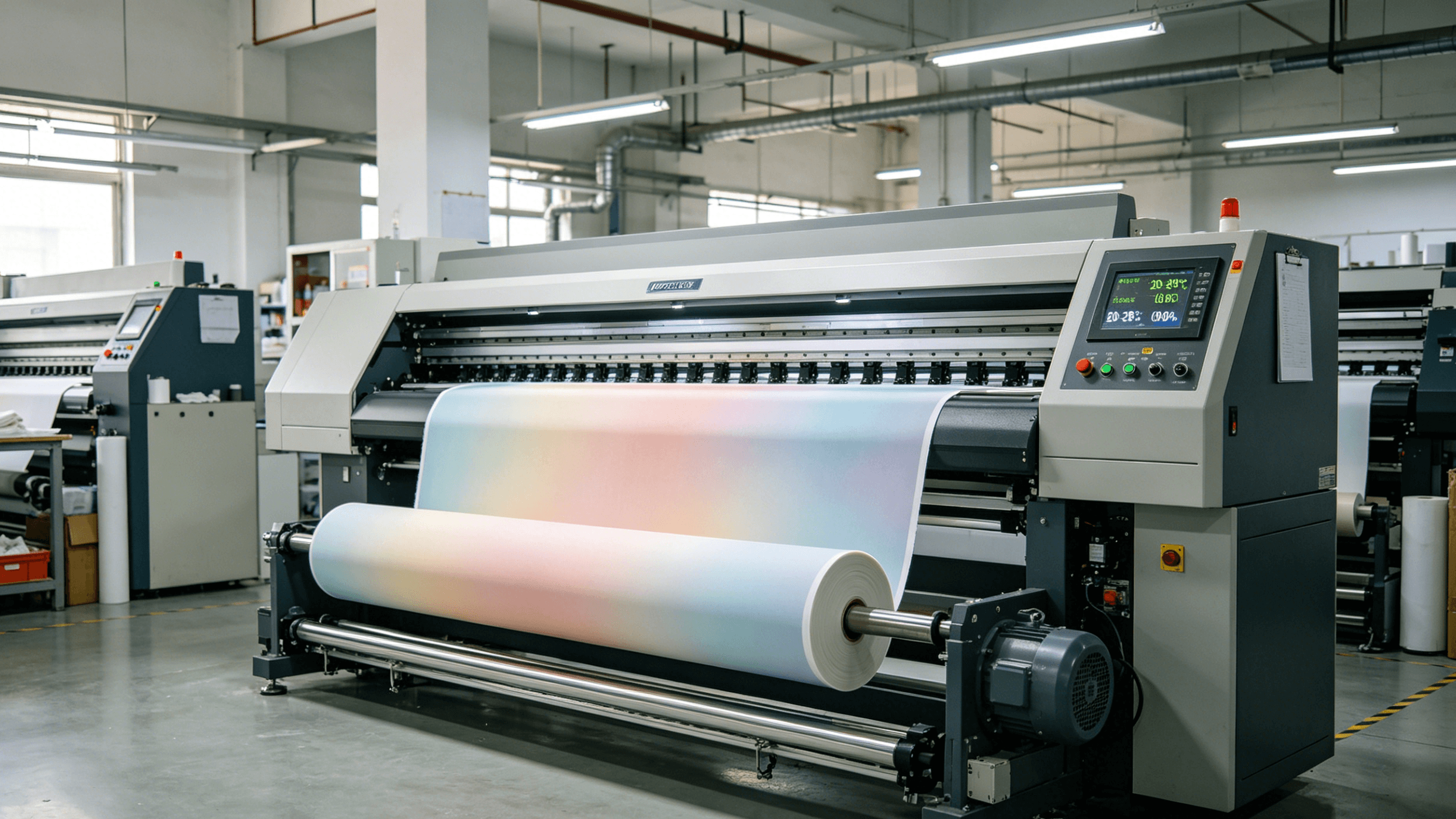
The textile industry is moving fast. By 2026, it isn’t just about making things; it’s about making them exactly when someone orders them. The market is on track to hit USD 18.17 billion this year, with an 11.5% CAGR. In this world, “mass production” has a new definition. It’s not just speed; it’s about having colors stay consistent across a 24-hour shift and making sure your automation actually works. Choosing the right gear—like the systems from Cnding—is what separates the shops that are growing from the ones struggling with downtime.
Transitioning from small-scale production to high-volume manufacturing requires more than just adding more desktop units. To maintain a competitive edge in the global dye sublimation market, businesses must address the mechanical and economic limitations of entry-level hardware.
Standard printers often suffer from thermal fatigue. In contrast, industrial solutions from providers like Cnding utilize:
In the competitive landscape of 2026, profitability is won at the decimal point.
When evaluating equipment for 2026, prioritize these three technological pillars:
The heart of dye sublimation is the piezoelectric print head. Look for:
Automation is the baseline for the “Smart Factory” era. Modern dye sublimation printers now feature:
Dye sublimation is already pretty eco-friendly because it’s a waterless process. But the 2026 models are even better, cutting energy use by up to 25% through more efficient heating units.
In the evolving dye sublimation industry, large-scale production environments are increasingly defined by speed, automation, and format flexibility. As global textile manufacturing shifts toward digital processes, industrial dye sublimation systems are becoming essential for meeting high-volume, on-demand production requirements. According to market research, industrial dye sublimation printers are now deployed in over 8,000 textile facilities worldwide, with average production speeds reaching up to 150 m²/h, supporting continuous 24/7 operation.
| Application | Key Requirement | Recommended Technology |
|---|---|---|
| Sportswear & Fast Fashion | Throughput & Speed | Multi-head systems (up to 16 heads) reaching 630 m²/h. |
| Soft Signage & Decor | Format Width | Wide-format solutions (1.6m to 3.2m) with consistent tension. |
| Boutique E-commerce | Versatility | Hybrid digital systems for small-batch personalization. |
Cnding specializes in screen printing automation, hybrid digital printing systems, and auxiliary equipment such as stretching machines, heat press systems, and dryers, forming a complete production workflow from pre-press to post-processing. This integrated approach is particularly valuable for dye sublimation applications, where consistency in temperature control, material handling, and transfer processes directly affects print quality.
Moreover, Cnding’s hybrid solutions—combining digital and traditional printing—allow manufacturers to handle both mass production and customized dye sublimation jobs within a single production line. This flexibility aligns with current market demands for short runs, personalization, and fast turnaround in textile and footwear printing.
One of the core challenges in dye sublimation is maintaining color consistency and registration accuracy over long production runs. Cnding addresses this through high-precision mechanical engineering and servo-driven systems.
For example, its automated screen printing machines achieve accuracy levels as fine as ±0.01 mm, supported by stable servo control systems. This level of precision ensures that even during extended, continuous production—potentially spanning thousands of meters of fabric—print alignment and image integrity remain consistent.
In addition, Cnding emphasizes durability and stability through:
These features are critical for dye sublimation processes, where uninterrupted heat transfer and material feeding are essential to avoid defects such as color banding or misregistration.
For B2B customers investing in dye sublimation equipment, after-sales service and technical training are often as important as the machinery itself. Cnding positions technical support as a core part of its value proposition.
The company provides a comprehensive support system that includes:
Additionally, Cnding offers customized solutions and training to ensure that clients can quickly adapt equipment to their specific dye sublimation workflows. This reduces the learning curve and helps manufacturers achieve stable production faster.
From an operational standpoint, this support translates into:
By combining automation, precision engineering, and strong technical support, Cnding enables manufacturers to scale dye sublimation production efficiently. Its systems can deliver production outputs 3–4 times higher than manual processes, while maintaining low defect rates.
This makes Cnding particularly suitable for industries such as:
As dye sublimation continues to expand across these sectors, the integration of automated systems like those from Cnding becomes essential for maintaining competitiveness in both cost and quality.
To maximize the ROI of industrial printing equipment, maintaining the integrity of the printhead is paramount. Dye sublimation involves high-viscosity inks and thermal processes that demand rigorous upkeep.
The market is growing, but the profit is in the details. If you’re expanding into wide-format or high-volume apparel, you need a setup that’s efficient and easy to maintain.If you’re ready to scale, reach out to Cnding Group. We can put together a tailored 2026 expansion plan to help you modernize your workflow and get your production where it needs to be.
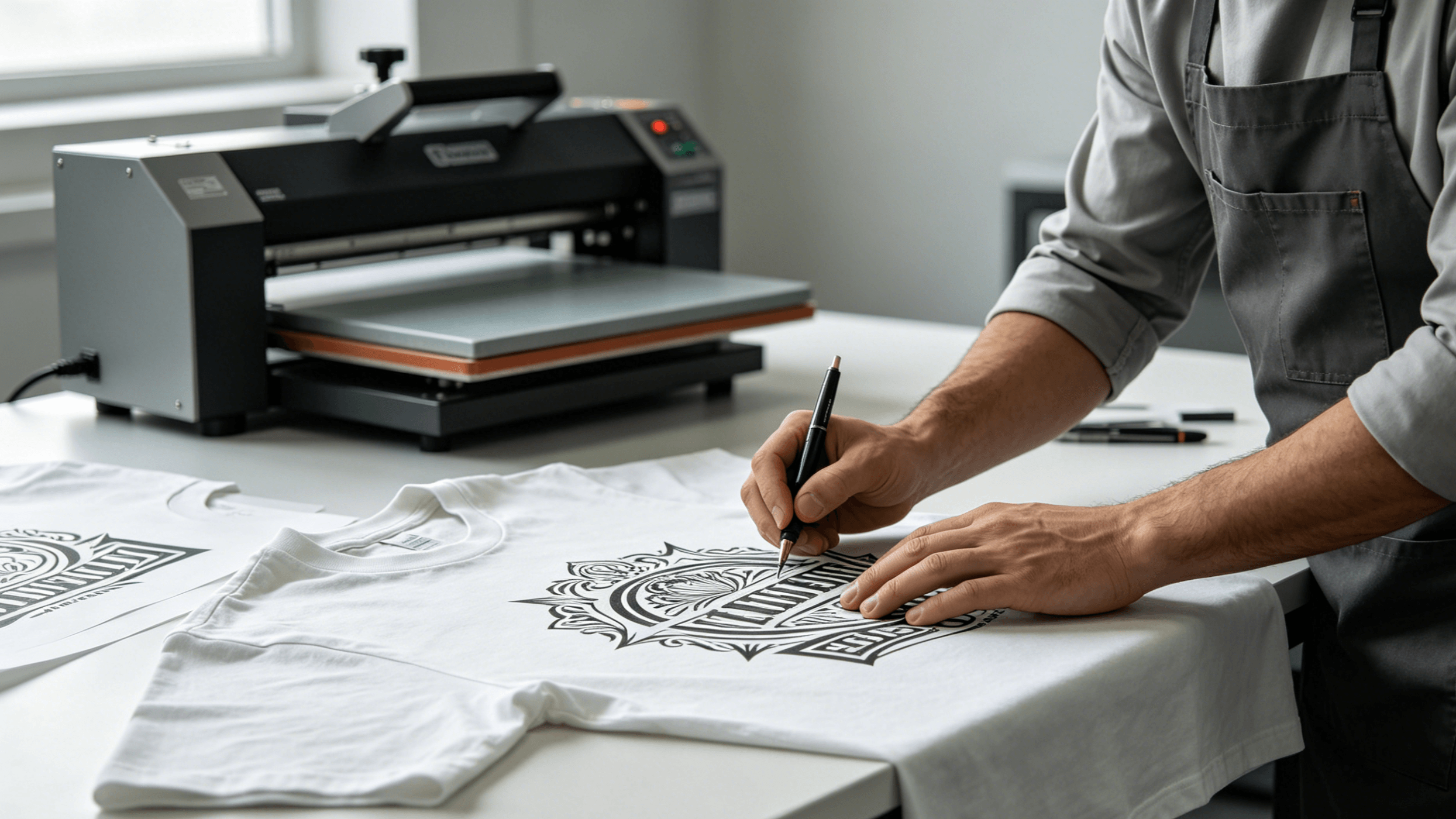
Introduction Custom apparel is hitting massive numbers, with the market expected to pass $45 billion by 2030. If you’re looking at the scene in 2026, Heat Press Vinyl (HTV) is...
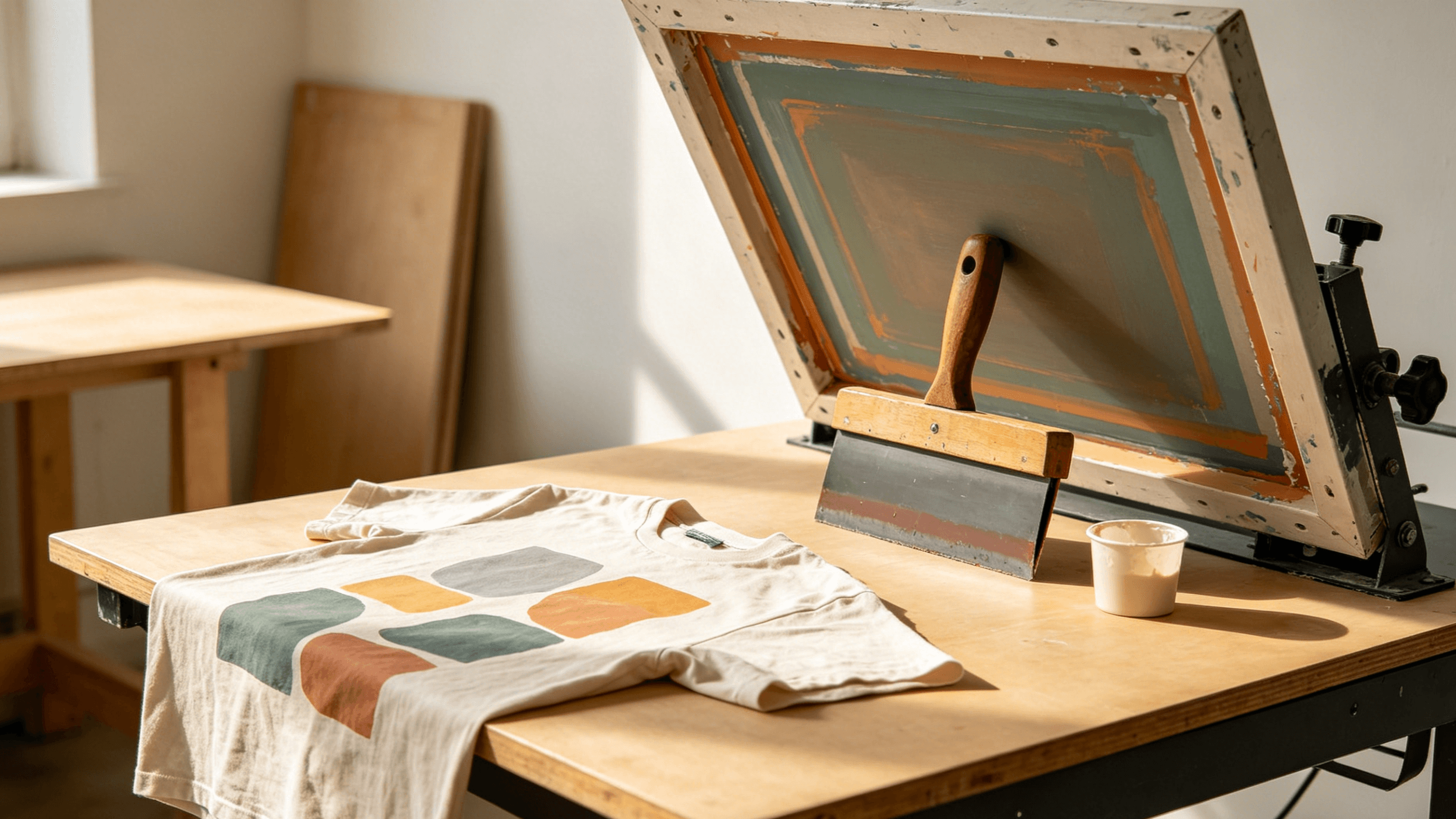
Introduction The apparel industry has exploded lately. We’re looking at a market projected to hit $17.5 billion by 2027, mostly because everyone wants custom gear, unique merch, and fast-fashion pieces...
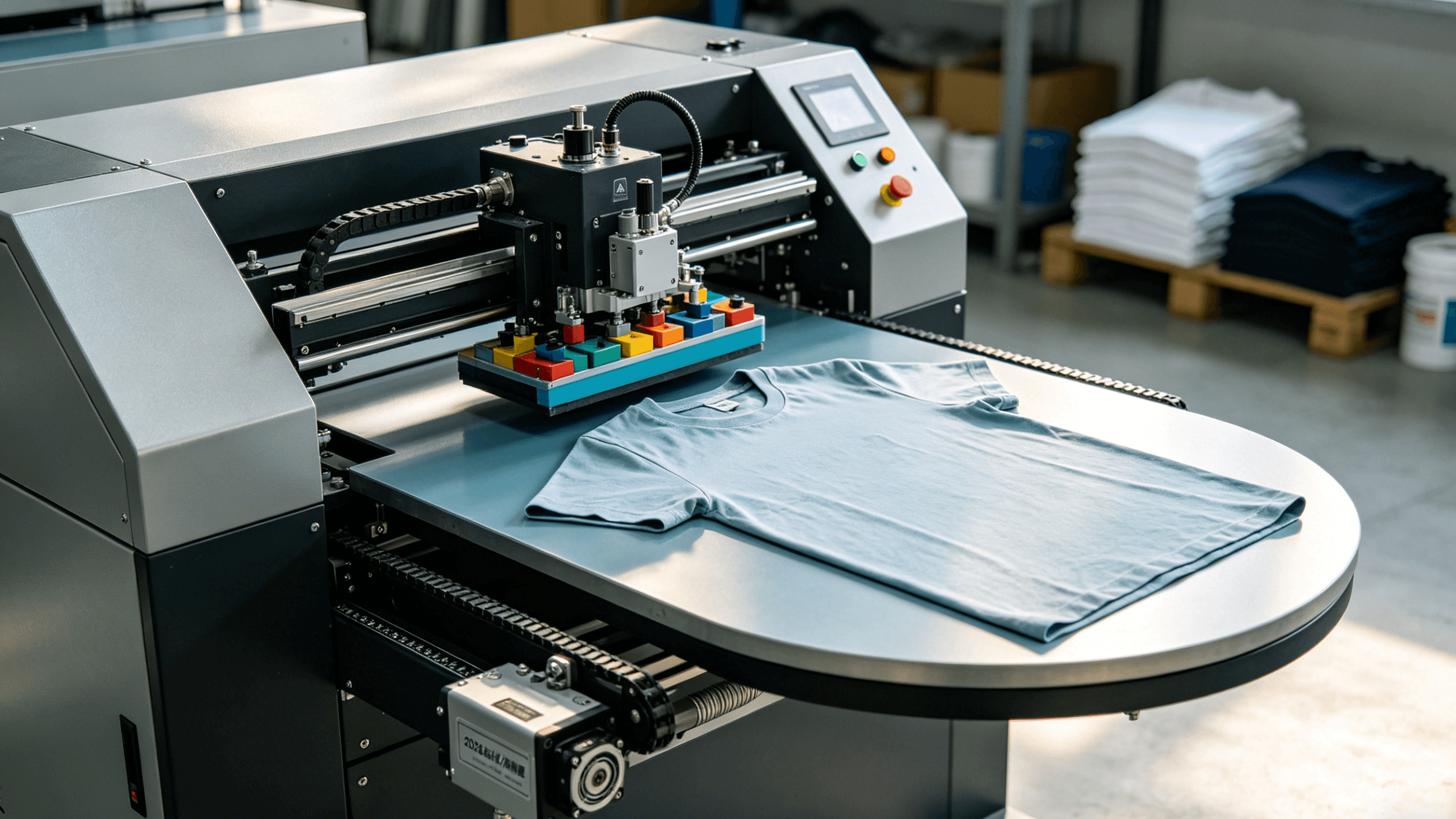
Introduction The custom t-shirt business is on a serious roll. Experts think the global market will hit around USD 5.1 billion by 2026. Even with all the new tech out...